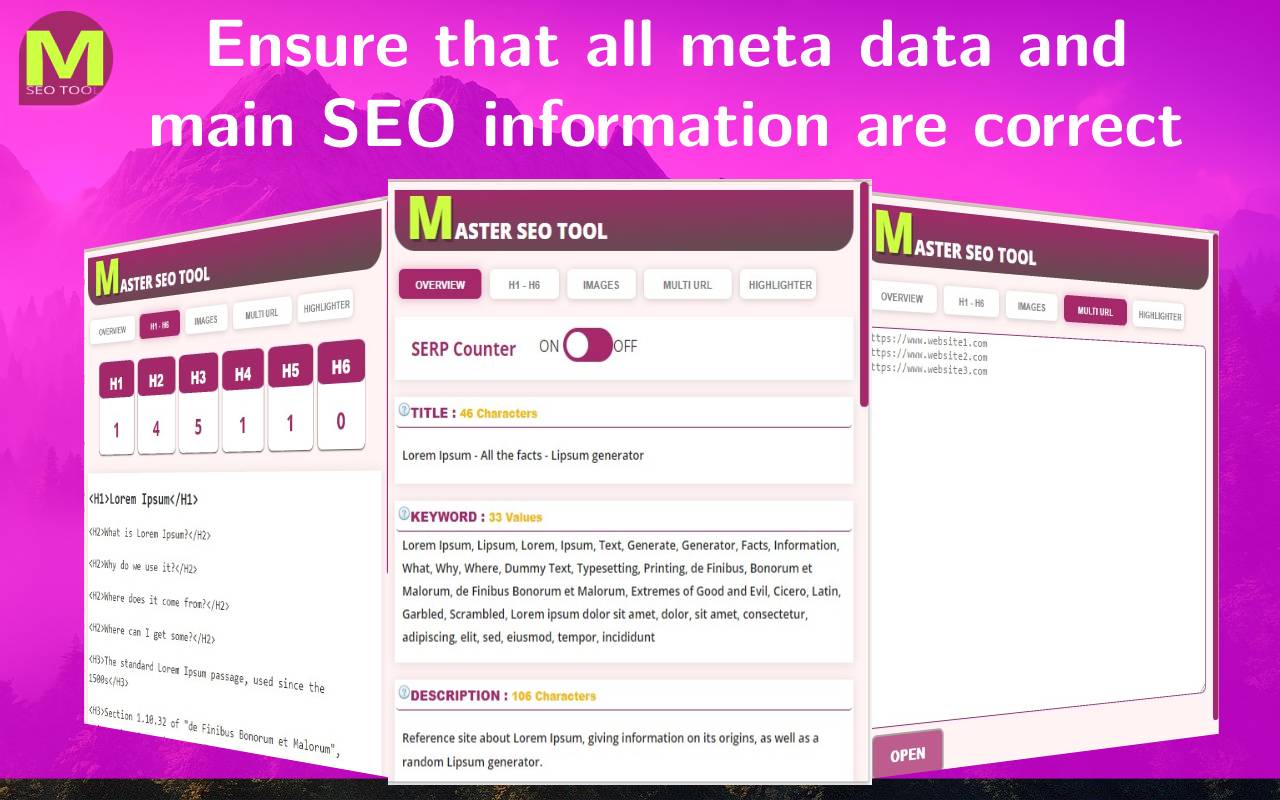
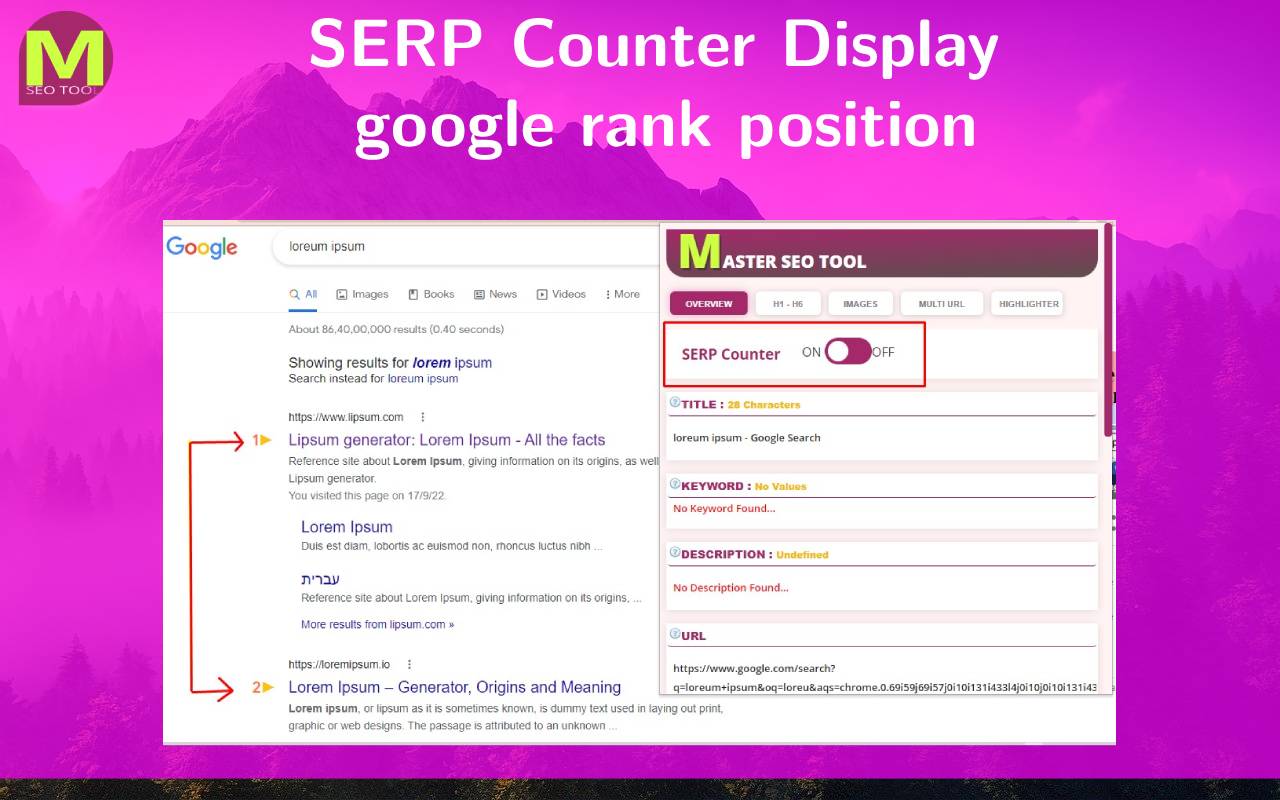
Comprehensive Functionality: Master SEO tools offer a complete suite of features, allowing you to manage and analyze almost all aspects of your SEO strategy within a single platform.
Time-Saving Automation: They automate repetitive tasks like site audits, backlink analysis, and rank tracking, freeing up your time for strategic planning and content creation.
Data-Driven Decisions: These tools provide valuable data and insights, helping you make informed decisions to improve your search engine rankings and attract more targeted traffic.
Competitive Intelligence: They offer detailed competitor analysis, allowing you to understand their strategies, identify opportunities, and gain a competitive edge.
Improved Accuracy: By automating tasks and providing comprehensive data, these tools help reduce the risk of manual errors and ensure higher accuracy in your SEO efforts.
Enhanced Reporting: Many tools offer detailed and customizable reporting features, making it easier to track your progress and present key metrics to stakeholders.
Cons
Learning Curve: Feature-rich platforms can have a steep learning curve, especially for beginners who may need to invest time in understanding and mastering all the functionalities.
Cost: Comprehensive SEO tools often come with a higher price tag compared to specialized tools, and paid plans can be an additional expense for businesses, especially startups or small businesses.
Feature Overload: The vast array of features can be overwhelming for some users, making it challenging to identify and focus on the most relevant tools for their specific needs.
Reliance on a Single Platform: While these tools are designed to be all-in-one solutions, relying heavily on one platform could potentially limit flexibility or expose you to challenges if the tool undergoes significant changes or price increases.